Chenghuang, the Horned Mount That Grants a Long Life
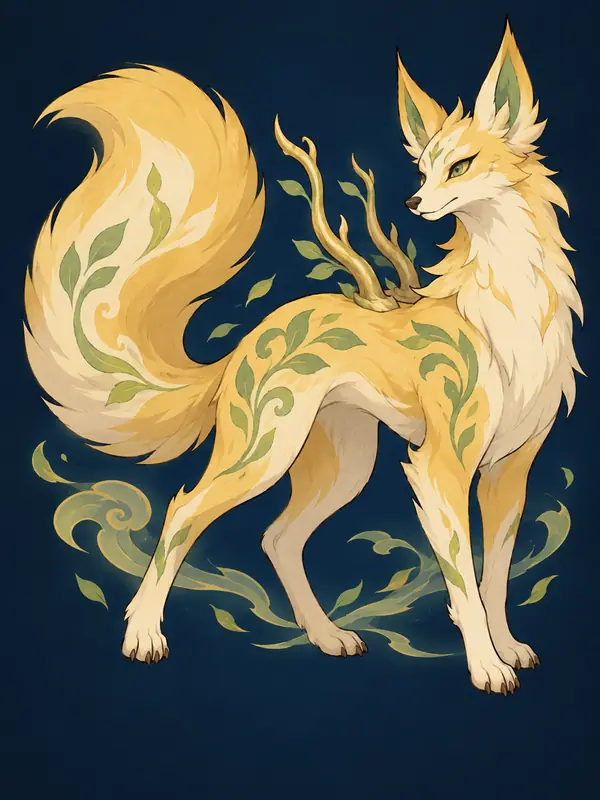
Chenghuang lives in the land of the White People at the western edge of the world: a fox-like beast with horns on its back, and whoever rides it lives two thousand years.
- Chinese name
- 乘黄 (chénghuáng)
- Oldest source
- Shan Hai Jing, Beyond the Seas: West
- Where it lives
- Land of the Baimin
- In the game
- Wood beast · 3 Gold · Long Life
What the Shan Hai Jing says
The Beyond the Seas: West book lists the lands along the western edge of the world. One of them is the land of the Baimin, the White People, which lies north of the Dragon Fish; its people have white bodies and wear their hair loose. In that land lives the Chenghuang. It is shaped like a fox, with horns on its back, and whoever rides it will live for two thousand years.
白民之国在龙鱼北,白身被发。有乘黄,其状如狐,其背上有角,乘之寿二千岁。
The land of the Baimin lies north of the Dragon Fish; its people are white with loose hair. There is the Chenghuang, like a fox with horns on its back. Whoever rides it lives 2,000 years.
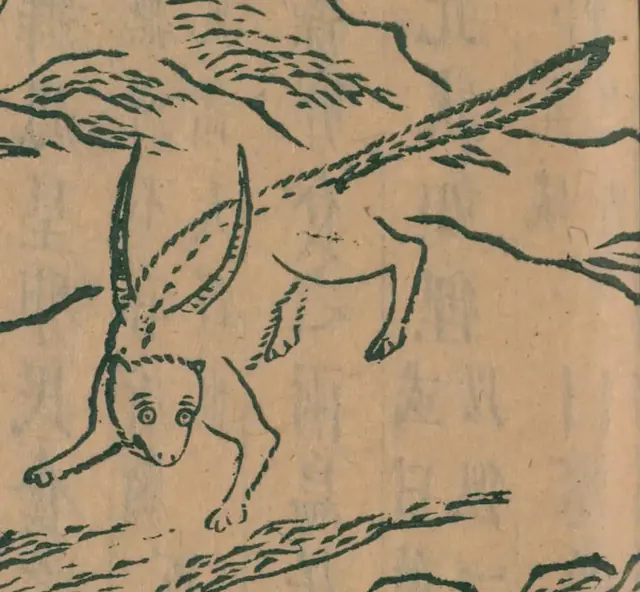
The entry is one of the clearest promises of long life in the Shan Hai Jing. Most beasts in the book bring disaster or cure a single illness; the Chenghuang offers something far greater simply for riding it. The name is usually read as the yellow mount, with cheng meaning to ride and huang meaning yellow, which fits the idea of a sacred steed rather than a wild animal.
Fox or horse?
The Shan Hai Jing compares it to a fox, but other early texts saw it differently. The Yi Zhou Shu, a collection of documents from the Zhou period, has a chapter on the tribute that distant peoples brought to the Zhou court. It says the White People brought the chenghuang, which looked like a horse and had two horns on its back. That is why later pictures often show a horned horse, while the Shan Hai Jing's own line keeps the shape of a fox.
Why a long life mattered
Long life was one of the great hopes of early China, and the outer books of the Shan Hai Jing are full of distant lands where people live for ages or never die. The land of the White People belongs to that picture: a far place at the edge of the world, with a beast that offers the gift rulers wanted most. The Records of the Grand Historian tells how the First Emperor of Qin and Emperor Wu of Han sent people to search for immortals and herbs of long life, and stories like this one fed the same hope.
Chenghuang in Beasts of Shanhai
In Beasts of Shanhai, our browser game built on these creatures, the Chenghuang gives life in a smaller way. It is a Wood beast whose every attack heals the two most injured beasts on your side, each by its own attack, and at three stars it heals the whole team. It is the beast to buy when a team keeps losing its front line. For another white, horned and helpful steed of the book, see the Bo, the horse that eats tigers.
Ageless Steed in Beasts of Shanhai
In our free browser game Beasts of Shanhai, Ageless Steed is a Wood beast that costs 3 Gold. Its skill is Long Life. On attack: heals your 2 most injured allies, each by this beast's attack. At three stars it heals every ally instead.
Questions
What is Chenghuang?
Chenghuang is a beast from the land of the White People in the Beyond the Seas: West book of the Shan Hai Jing. It looks like a fox with horns on its back.
What happens if you ride the Chenghuang?
According to the Shan Hai Jing, whoever rides it lives for two thousand years.
Is the Chenghuang a fox or a horse?
The Shan Hai Jing compares it to a fox, while the Yi Zhou Shu describes it as like a horse with two horns on its back. Later art often follows the horse version.
More creatures
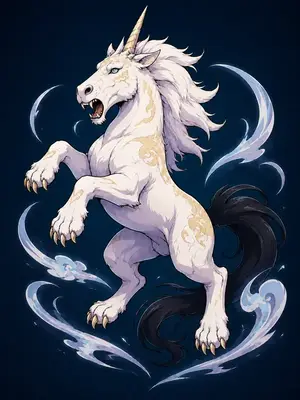 Bo 駮A white horse with a black tail, one horn and tiger fangs. It eats tigers and leopards and keeps war away.
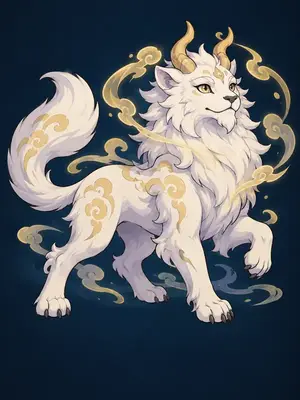 Bai Ze 白泽A talking beast that knows the nature of all things. Not in the Shan Hai Jing, but often counted among its creatures.
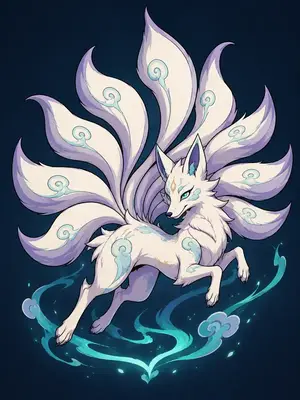 Nine-Tailed Fox 九尾狐A fox with nine tails and a cry like a baby's. It eats people, and eating it keeps curses away.
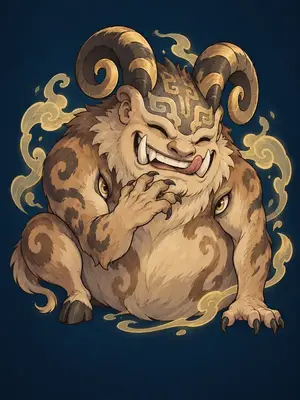 Taotie 饕餮A goat-bodied beast with a human face and eyes under its arms, so greedy it eats itself.
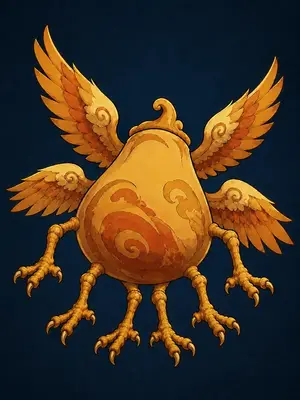 Hundun 混沌A faceless god like a red sack, with six legs and four wings. It has no eyes, yet it knows song and dance.
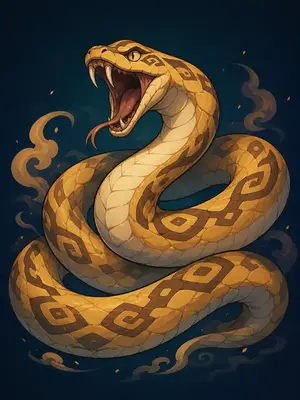 Bashe 巴蛇A huge snake of blue, yellow, red and black that swallows elephants and spits out the bones after three years.