Bashe, the Elephant-Eating Serpent of the Shan Hai Jing
Bashe is the giant snake of the land of Ba: it swallows a whole elephant, and its bones were said to keep illness of the heart and belly away.
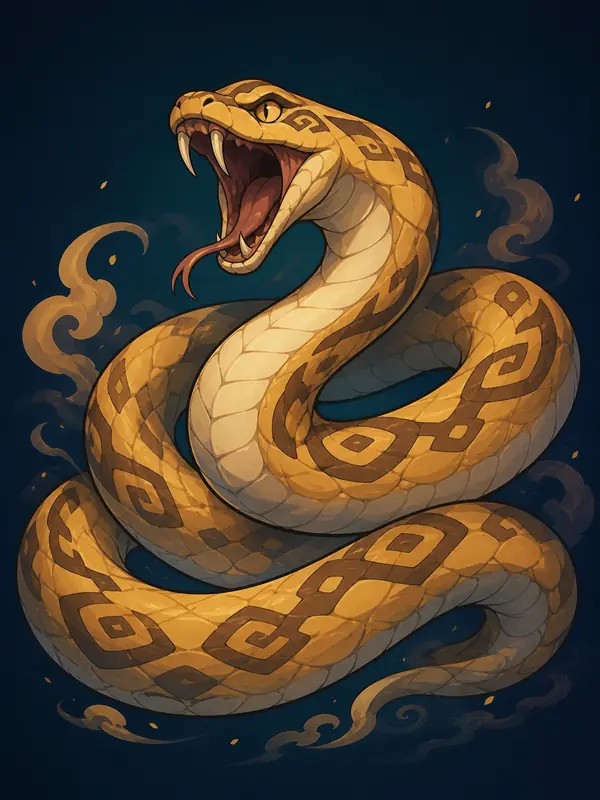
- Chinese name
- 巴蛇 (bāshé)
- Oldest source
- Shan Hai Jing, Within the Seas: South
- Where it lives
- Land of Ba
- In the game
- Earth beast · 2 Gold · Devour
What the Shan Hai Jing says
Bashe appears in the Within the Seas: South book of the Shan Hai Jing, the part that lists peoples, lands and creatures along the southern side of the known world. The entry is short and vivid. The Ba serpent swallows elephants, and only after three years does it bring up the bones. Ba was the name of an ancient people and state in the region of present-day eastern Sichuan and Chongqing, so the name ties the snake to the hills and rivers of the southwest.
巴蛇食象,三岁而出其骨,君子服之,无心腹之疾。其为蛇青黄赤黑。
The Ba serpent swallows elephants and spits out the bones after three years. A gentleman who takes them suffers no ills of heart or belly. The serpent is blue, yellow, red and black.
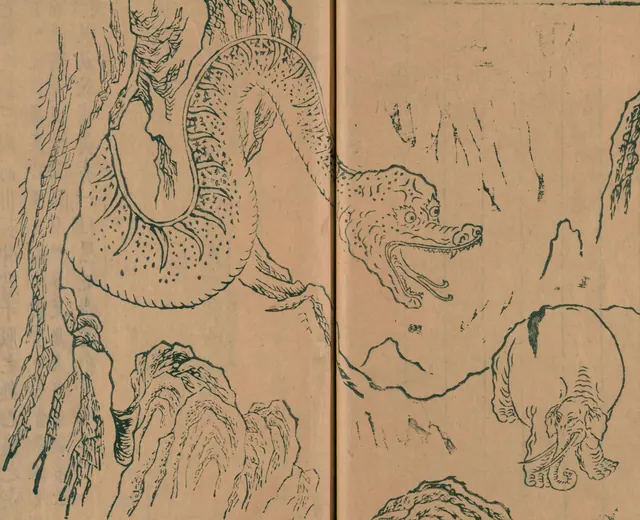
Two more details follow. A gentleman who takes the bones, most likely as medicine, will suffer no illness of the heart or belly, and the serpent itself is colored blue, yellow, red and black. Like many entries in the book, the line joins a wonder to a practical use: the beast is terrifying, but what it leaves behind is worth having.
A snake that swallows an elephant
The image was famous early. In the Tianwen, or Heavenly Questions, a long poem in the Chu Ci anthology traditionally credited to Qu Yuan, the poet asks how big a snake must be to swallow an elephant. The poem is a chain of riddles about heaven, earth and the past, and the elephant-eating snake sits among them as a wonder nobody could explain. Much later the same picture became a common Chinese saying: a heart that is never satisfied is like a snake trying to swallow an elephant, a warning against greed.
The long snake and Yi the archer
The Huainanzi, a Han dynasty book of philosophy and myth, lists the monsters that the archer Yi killed in the time of the sage king Yao. Among them is a long snake, the xiushe, which Yi cut apart at Dongting. Later readers often identified this long snake with the Ba serpent, and a local legend explains Baling, an old name for the city of Yueyang on Lake Dongting, as a mound formed by the dead serpent's bones. The Shan Hai Jing itself says nothing about Yi or Dongting; it only records the snake and its meal.
Bashe in Beasts of Shanhai
In Beasts of Shanhai, our browser game built on these creatures, Bashe is an Earth beast that grows the way the snake in the text does: by eating. Every time it finishes off a foe and survives, it gains health for the rest of the run, so a Bashe kept alive through the early stages becomes a wall in the later ones. For other serpents of the book whose appearance brings disaster, see Feiyi, the six-legged snake of drought.
Ba Serpent in Beasts of Shanhai
In our free browser game Beasts of Shanhai, Ba Serpent is a Earth beast that costs 2 Gold. Its skill is Devour. When it kills a foe and survives, it gains +0/+2 for the rest of the run. At two stars each kill gives +0/+4, and at three stars +0/+6.
Questions
What is Bashe?
Bashe, the Ba serpent, is a giant snake in the Within the Seas: South book of the Shan Hai Jing. It swallows elephants and spits out the bones after three years.
What color is the Ba serpent?
The Shan Hai Jing says it is blue, yellow, red and black.
Where does the image of a snake swallowing an elephant come from?
It goes back to the Ba serpent of the Shan Hai Jing and to the Tianwen, a poem that asks how large such a snake must be. A later Chinese saying uses it as a picture of endless greed.
More creatures
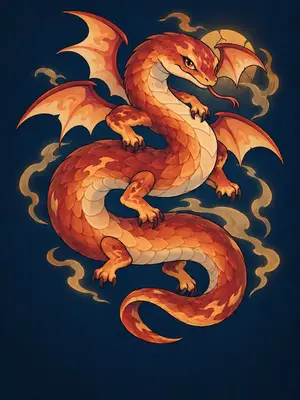 Feiyi 肥遗A snake with six legs and four wings from the cliffs of Mount Taihua. When it appears, great drought follows.
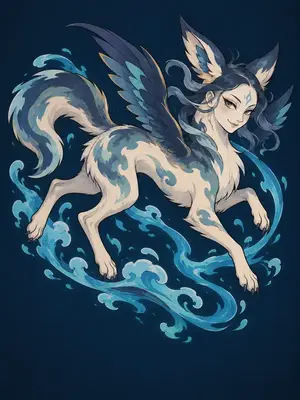 Huashe 化蛇A human-faced jackal with bird wings that slithers like a snake and shouts. When it appears, its town is flooded.
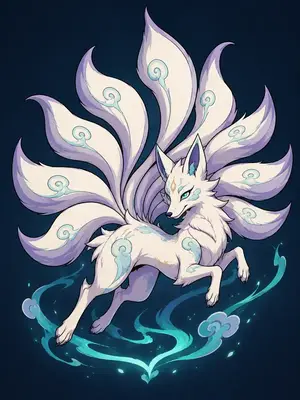 Nine-Tailed Fox 九尾狐A fox with nine tails and a cry like a baby's. It eats people, and eating it keeps curses away.
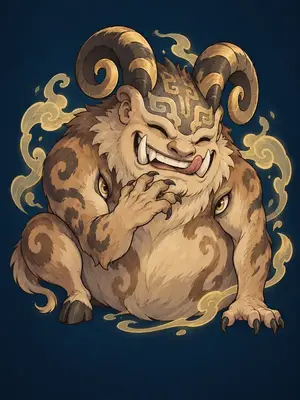 Taotie 饕餮A goat-bodied beast with a human face and eyes under its arms, so greedy it eats itself.
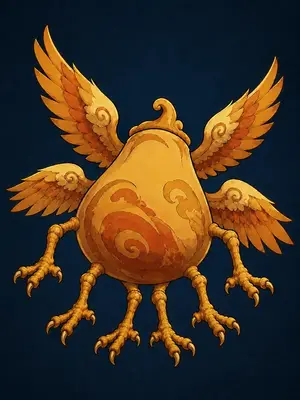 Hundun 混沌A faceless god like a red sack, with six legs and four wings. It has no eyes, yet it knows song and dance.
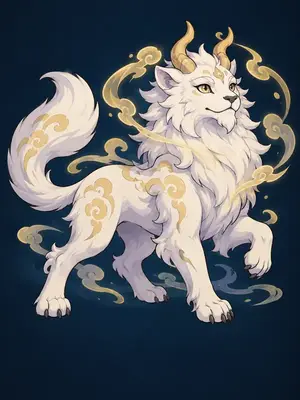 Bai Ze 白泽A talking beast that knows the nature of all things. Not in the Shan Hai Jing, but often counted among its creatures.