Fei, the One-Eyed Bringer of Plague in the Shan Hai Jing
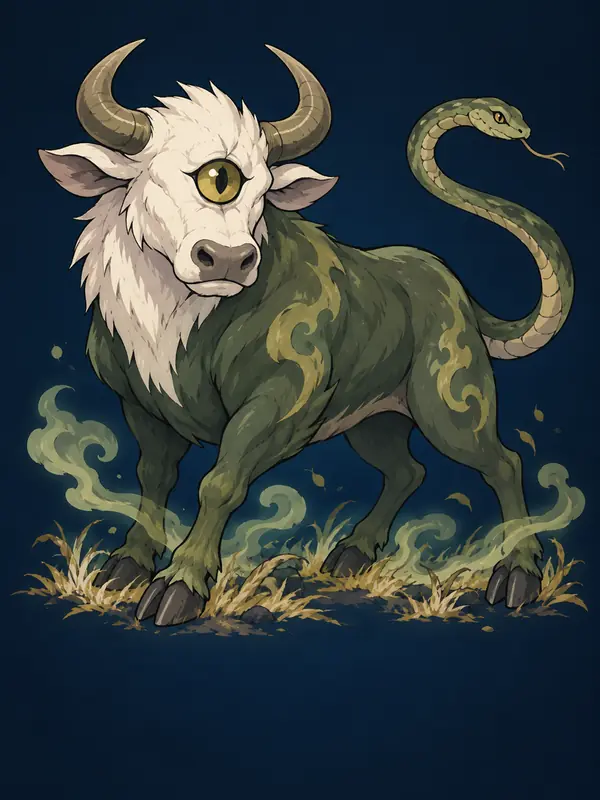
The Fei looks like an ox with a white head, one eye and a snake's tail. Rivers dry and grass dies in its path, and when it appears, plague sweeps the world.
- Chinese name
- 蜚 (fěi)
- Oldest source
- Shan Hai Jing, Eastern Mountains, Book 4
- Where it lives
- Mount Tai
- In the game
- Wood beast · 2 Gold · Pestilence
What the Shan Hai Jing says
In the fourth book of the Eastern Mountains, the Shan Hai Jing reaches Mount Tai and describes a beast like an ox with a white head, a single eye and a snake's tail. It is called the Fei. Wherever it goes, harm follows: water dries up when it wades through, and grass dies when it walks across. When it appears, a great plague sweeps the world. The book's Mount Tai sits in its legendary eastern geography, and whether it is the famous sacred mountain of Shandong is not settled.
有兽焉,其状如牛而白首,一目而蛇尾,其名曰蜚,行水则竭,行草则死,见则天下大疫。
A beast lives here, like an ox with a white head, one eye and a snake's tail. It is called the Fei. Water it crosses dries up, grass it crosses dies. When it appears, great plague sweeps the land.
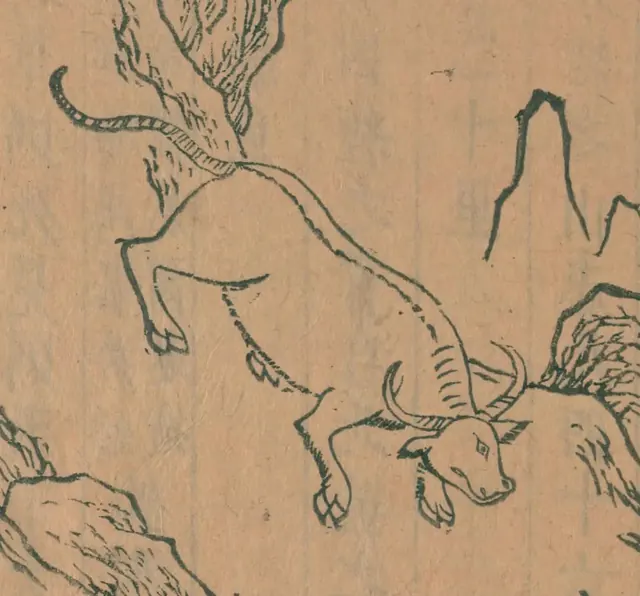
The Fei is among the most frightening beasts in the book because its harm is not limited to the people it meets. It poisons the land itself. Many creatures in the Shan Hai Jing are dangerous to anyone who crosses their path; the Fei is dangerous to everything, and its single eye and snake's tail mark it as something that does not belong among ordinary cattle.
A sign of plague
For people in the ancient world, epidemics came suddenly and with no visible cause. A beast that dried rivers and withered grass gave a shape to that fear: plague as something that walks through the country and leaves death behind it. The Shan Hai Jing lists many omens of flood, drought, fire and war, and the Fei is one of its clearest signs of disease spreading across the whole world rather than one town. Its neighbor in the same book, the Dangkang, brings the opposite news: a great harvest.
The other fei
The same character, fei, names a different creature in the Spring and Autumn Annals, which records for one autumn that the fei appeared. There it is usually understood as a crop-eating insect, and the Zuo Zhuan explains that the event was written down because it caused disaster. The insect and the ox of Mount Tai are not the same animal, but they share the same idea: when the fei appears, harm follows. For another beast whose appearance ruins the land, see the Feiyi, the snake of drought.
Fei in Beasts of Shanhai
In Beasts of Shanhai, our browser game built on these creatures, the Fei spreads sickness in battle. It is a Wood beast that poisons any foe it attacks and any foe that attacks it. Each stack of poison takes a share of the victim's health every round and cannot be blocked by a shield, so the longer a fight goes on, the more the Fei's plague does. At three stars each touch adds three stacks.
Plague Ox in Beasts of Shanhai
In our free browser game Beasts of Shanhai, Plague Ox is a Wood beast that costs 2 Gold. Its skill is Pestilence. When it attacks or is attacked, the other beast gets Poison 1: each stack loses 10% of its max HP every round and ignores Shield. At two stars it applies Poison 2, and at three stars Poison 3.
Questions
What is the fei in Chinese mythology?
The fei is a beast of Mount Tai in the Shan Hai Jing, shaped like an ox with a white head, one eye and a snake's tail.
What does seeing a fei mean?
According to the Shan Hai Jing, when the fei appears, a great plague sweeps the world.
What happens where the fei walks?
Water it crosses dries up, and grass it walks through dies.
More creatures
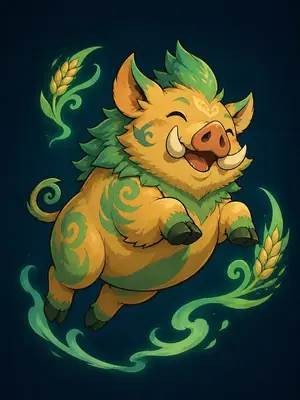 Dangkang 当康A pig with tusks that cries its own name. When it appears, the whole world reaps a great harvest.
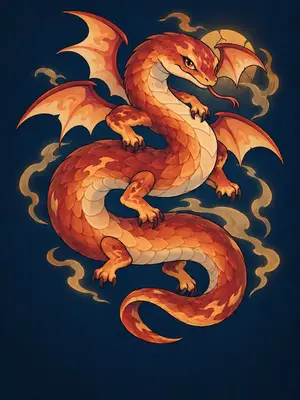 Feiyi 肥遗A snake with six legs and four wings from the cliffs of Mount Taihua. When it appears, great drought follows.
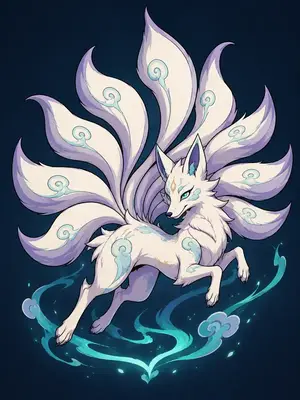 Nine-Tailed Fox 九尾狐A fox with nine tails and a cry like a baby's. It eats people, and eating it keeps curses away.
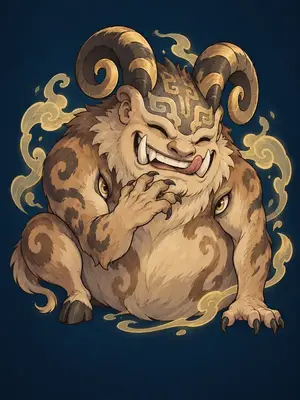 Taotie 饕餮A goat-bodied beast with a human face and eyes under its arms, so greedy it eats itself.
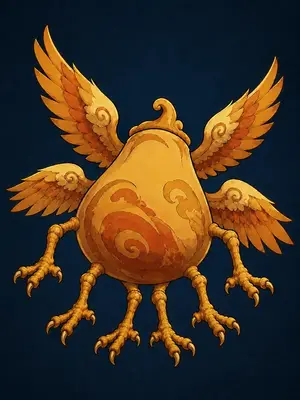 Hundun 混沌A faceless god like a red sack, with six legs and four wings. It has no eyes, yet it knows song and dance.
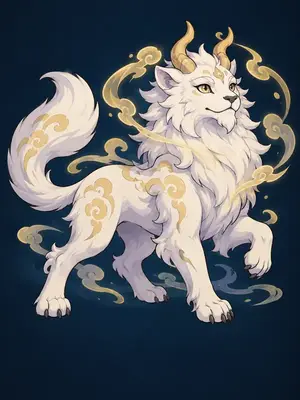 Bai Ze 白泽A talking beast that knows the nature of all things. Not in the Shan Hai Jing, but often counted among its creatures.